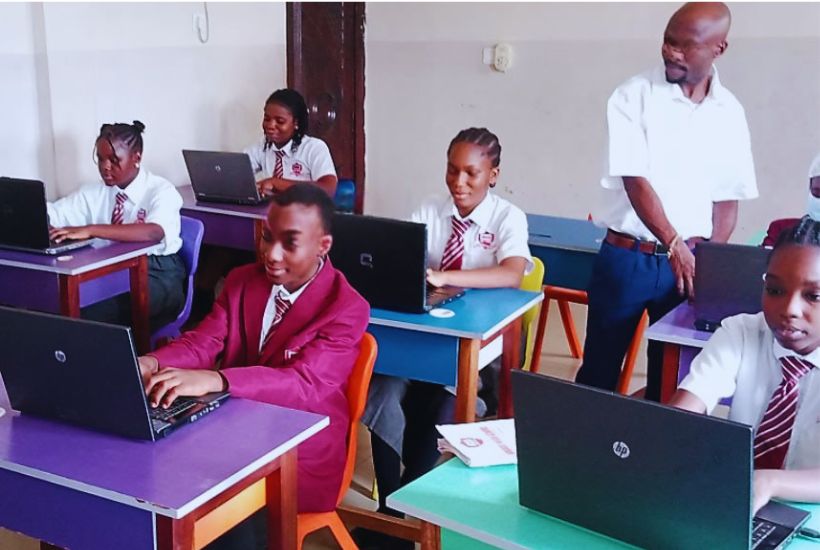
Technology has changed how people communicate, work, research and learn. As these changes continue, digital skills are becoming an increasingly important part of a well-rounded education.
For today’s students, learning how to use technology effectively is not simply an advantage. It is an important part of preparing for the future.
Technology Is More Than Computers
When people think about technology education, they often think about learning how to operate a computer.
Modern digital learning is much broader.
Students need opportunities to develop:
Digital literacy
Online research skills
Information evaluation
Digital communication
Problem-solving
Creativity
Data awareness
Responsible technology use
These abilities can support learning across virtually every subject.
Technology Can Make Learning More Engaging
When used appropriately, technology can provide students with additional ways to understand difficult concepts.
Interactive resources, educational software, digital presentations, simulations and multimedia content can complement traditional teaching and provide different pathways to understanding.
Technology should not replace teachers. Instead, it should give teachers additional tools for helping students learn effectively.
Developing Future-Ready Skills
Today’s students may eventually work in professions that are still evolving.
Artificial intelligence, automation, data analytics and digital communication are already influencing many industries.
Schools cannot predict every job that students will have in the future, but they can develop learners who are comfortable with learning new technologies.
That adaptability is one of the most valuable skills education can provide.
Responsible Technology Use
Digital education must also include responsibility.
Students need guidance on:
Online safety
Privacy
Responsible communication
Evaluating online information
Digital citizenship
Appropriate use of AI
Respect for intellectual property
Technology becomes most valuable when it is used intelligently and responsibly.
Technology at Havard
Havard School has long recognised the importance of technology in education, including the use of ICT learning environments and computer-based instruction.
Our approach is centred on using technology to support learning while ensuring that students continue to develop the human qualities that technology cannot replace: curiosity, empathy, creativity, judgement and character.
Preparing Learners for Tomorrow
Technology will continue to change.
The goal of education should therefore not be to teach children one particular technology and assume that the skill will remain relevant forever.
Instead, schools should help children become confident learners who can understand, adapt to and responsibly use new tools as they emerge.
Technology may change the way we learn, but the purpose remains the same: helping every child reach their potential.
Programmes